Common Solar Inverter Error Codes and What They Mean
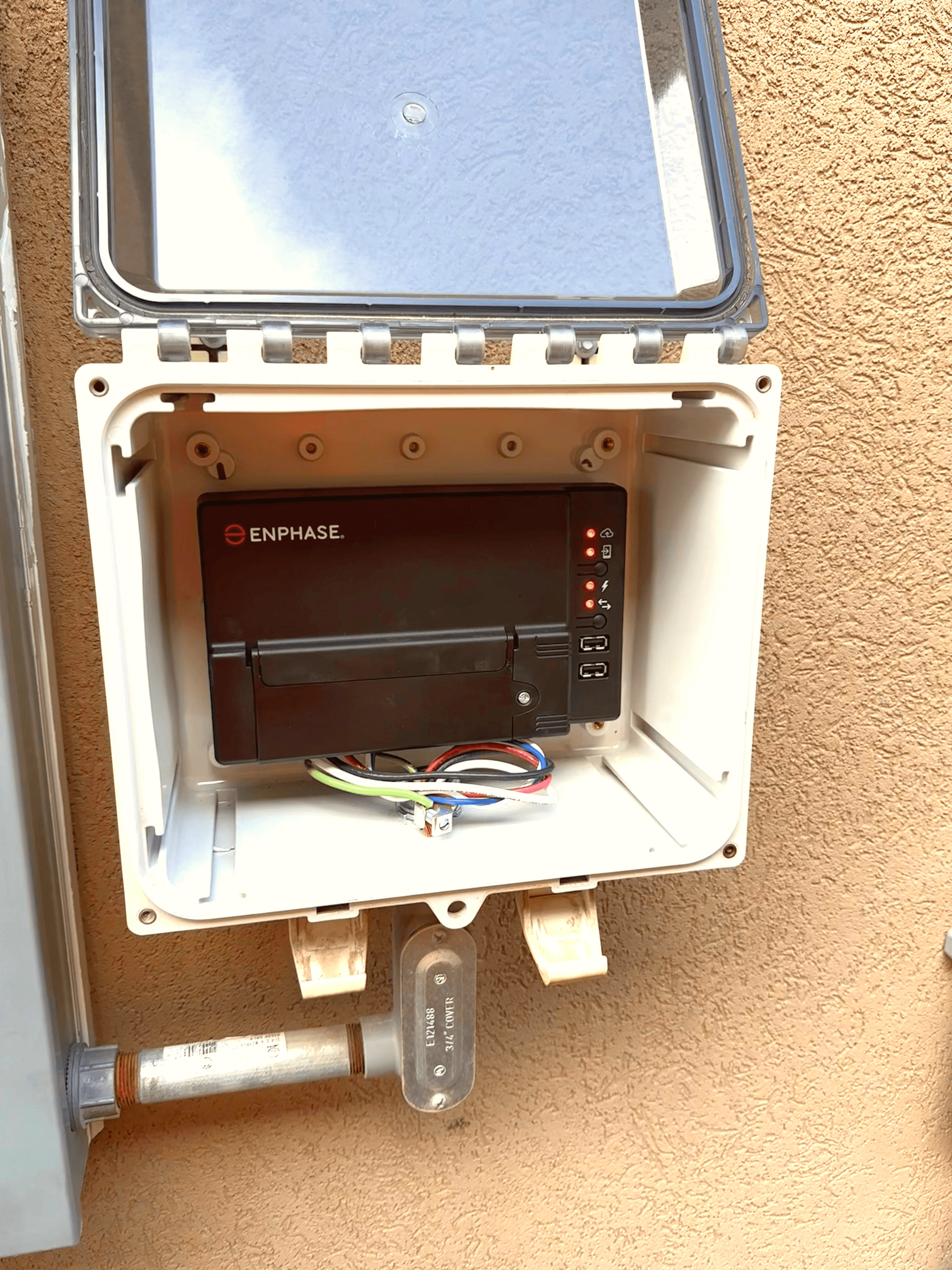
Common Solar Inverter Error Codes Explained
If your solar system suddenly stops producing as much energy as it should, one of the first places to look is the inverter. Often called the brain of a solar energy system, the inverter constantly monitors both the solar array and your home’s connection to the electrical grid. When it detects something outside of normal operating conditions, it generates an error code, warning light, or status message to help identify the issue.
For many homeowners, however, those messages aren’t particularly helpful. Seeing terms like Ground Fault, Isolation Fault, Grid Voltage Error, or Arc Fault can be confusing, especially if you’ve never worked on a solar system before. Some alerts indicate a temporary condition that resolves on its own, while others point to problems that require professional troubleshooting.
The important thing to remember is that an inverter error code isn’t necessarily a diagnosis—it’s a clue. It tells you where the inverter detected something unusual, but it doesn’t always identify the exact component that failed. Different manufacturers also use different names and code numbers for similar problems, so the same issue may appear differently depending on the brand of equipment you own.
This guide explains the most common categories of solar inverter error codes, what they typically mean, and when it’s time to schedule a professional solar diagnostic inspection.
Why Solar Inverters Display Error Codes
Solar inverters continuously monitor dozens of operating conditions while your system is producing electricity.
They check things like:
Grid voltage
Grid frequency
DC voltage from the solar panels
AC output to your home
Internal operating temperature
Ground faults
Electrical isolation
Communication with monitoring equipment
Internal electronics
Safety systems
If any of these values move outside their acceptable operating range, the inverter generates an alert.
Sometimes the inverter temporarily shuts itself down as a protective measure. Other times it continues operating while displaying only a warning message.
Many temporary faults automatically clear once conditions return to normal.
Persistent faults usually require additional investigation.
Not Every Error Means Something Is Broken
One of the biggest misconceptions homeowners have is assuming every inverter error means an expensive repair is coming.
Fortunately, that’s often not the case.
Solar inverters are intentionally conservative.
They are designed to protect both themselves and the electrical grid.
Many alerts simply indicate that the inverter paused production because operating conditions temporarily fell outside acceptable limits.
Examples include:
Utility power interruptions
Brief voltage fluctuations
Grid frequency changes
Communication interruptions
Temporary overheating during extreme weather
Once conditions return to normal, many inverters automatically resume production without requiring any repairs.
The key difference is whether the error disappears on its own or continues returning repeatedly.
Grid Fault Errors
One of the most common categories of inverter alerts involves the electrical grid.
Your inverter constantly monitors the utility power supplying your home.
If the grid experiences abnormal voltage or frequency, the inverter disconnects itself automatically for safety reasons.
Common grid-related messages include:
Grid Fault
Grid Voltage High
Grid Voltage Low
Grid Frequency Error
Utility Voltage Error
AC Voltage Out of Range
Grid Disconnect
Grid Lost
These alerts don’t necessarily indicate a problem with your solar equipment.
Instead, they often reflect temporary conditions on the utility side of the electrical system.
Possible causes include:
Utility maintenance
Neighborhood outages
Voltage fluctuations
Storms
Transformer issues
Grid instability
Once the utility power returns to normal, the inverter typically reconnects automatically after completing its required safety checks.
If grid faults occur repeatedly over several days or weeks, however, a professional inspection may be necessary to determine whether the issue originates with the utility company, your home’s electrical system, or the inverter itself.
Ground Fault Errors
Ground faults are among the more important inverter alerts because they involve unintended electrical paths.
A ground fault occurs when electricity finds a path to ground somewhere it shouldn’t.
Common messages include:
Ground Fault
DC Ground Fault
Ground Leakage
Earth Fault
Ground Fault Detected
Possible causes include:
Damaged wiring
Water intrusion
Rodent damage
Worn insulation
Loose electrical connections
Damaged conduit
Moisture inside junction boxes
Ground faults require proper diagnosis because simply resetting the inverter doesn’t address the underlying problem.
Specialized testing equipment is usually needed to locate the exact source of the fault.
Isolation Fault Errors
Isolation faults are somewhat similar to ground faults.
These alerts indicate that the inverter has detected abnormal electrical resistance between the DC wiring and ground.
Common messages include:
Isolation Fault
Insulation Fault
Isolation Resistance Low
Insulation Resistance Error
Possible causes include:
Moisture inside connectors
Damaged insulation
Wiring degradation
Water intrusion
Aging electrical components
Because isolation faults involve the electrical integrity of the solar array, professional troubleshooting is generally recommended.
Arc Fault Errors
Modern solar systems often include Arc Fault Circuit Interruption (AFCI) protection.
An arc fault occurs when electricity jumps across a gap instead of flowing through a solid electrical connection.
These faults generate heat and may increase fire risk if left unresolved.
Common inverter messages include:
Arc Fault
AFCI Fault
Arc Detection
Arc Error
Possible causes include:
Loose connectors
Damaged wiring
Corroded terminals
Poor electrical connections
Aging components
Arc fault alerts should never be ignored.
Although some false detections occur, repeated arc fault errors deserve prompt professional evaluation.
Overtemperature Warnings
Solar inverters naturally become warm during normal operation.
On especially hot summer days, internal temperatures rise even further.
If the inverter exceeds its safe operating temperature, it may temporarily reduce power output or shut itself down until temperatures decrease.
Common messages include:
Overtemperature
High Temperature
Thermal Warning
Temperature Fault
Internal Temperature High
Possible causes include:
Poor ventilation
Direct afternoon sunlight
Dust blocking cooling vents
Failed cooling fans
High ambient temperatures
Internal component problems
Sometimes improving airflow around the inverter solves the issue.
Persistent overheating, however, may indicate an internal hardware problem.
Communication Errors
Communication alerts are frequently misunderstood.
Many homeowners assume these messages mean the solar system has stopped producing electricity.
Often, that’s not true.
Communication faults simply indicate that monitoring equipment has temporarily lost contact with the inverter.
Common messages include:
Communication Error
Network Error
Lost Communication
Gateway Offline
Internet Connection Lost
Monitoring Offline
Possible causes include:
Internet outages
Wi-Fi interruptions
Router changes
Monitoring gateway failures
Cellular communication issues
In many cases, the solar panels continue generating electricity normally even though production data temporarily stops appearing in the monitoring app.
A technician can verify whether the problem involves monitoring only or actual power production.
DC Voltage Errors
The inverter constantly measures the voltage coming from the solar panels.
If voltage falls outside expected limits, the inverter generates an alert.
Examples include:
DC Voltage High
DC Voltage Low
Input Voltage Error
PV Voltage Fault
Possible causes include:
Wiring problems
Damaged panels
Failed optimizers
Failed microinverters
Loose connectors
String configuration issues
Voltage-related faults usually require electrical testing to isolate the affected portion of the array.
Internal Inverter Faults
Sometimes the inverter itself develops an internal problem.
Unlike grid or communication alerts, these errors typically involve the inverter’s own electronics.
Examples include:
Internal Error
Hardware Fault
CPU Fault
EEPROM Error
Relay Failure
Internal Relay Fault
DSP Error
Possible causes include:
Aging electronics
Manufacturing defects
Power surges
Lightning damage
Internal component failure
Some internal errors clear after restarting the inverter.
Others indicate that repair or replacement may eventually be necessary.
Manufacturer-Specific Error Codes
Every inverter manufacturer uses its own terminology.
For example, an error that appears as Ground Fault on one inverter might be called Earth Fault or display only a numerical code on another.
Popular manufacturers such as:
Enphase
SolarEdge
SMA
Fronius
Tesla
Growatt
Sungrow
Solis
GoodWe
APsystems
all organize their diagnostic systems differently.
Because of these differences, searching online for a single code can sometimes produce misleading or incorrect information.
The code number alone rarely tells the entire story.
Technicians often combine the displayed error with production history, voltage measurements, monitoring data, and physical inspection before determining the actual cause.
Should You Reset Your Inverter?
Many homeowners wonder whether simply restarting the inverter will solve the problem.
Sometimes it will.
Temporary grid interruptions or communication issues often clear themselves after conditions return to normal.
However, repeatedly resetting an inverter without identifying the underlying cause can hide developing problems.
If an error returns immediately—or continues appearing over several days—it should be investigated rather than continually cleared.
A persistent fault is your solar system’s way of indicating that something still needs attention.
What Happens During a Diagnostic Visit?
A professional solar diagnostic inspection goes far beyond reading the error displayed on the inverter.
Depending on the system and the fault, technicians may:
Review inverter error history.
Analyze production trends.
Compare expected versus actual output.
Test voltage and current.
Inspect wiring and connectors.
Check breakers and disconnects.
Evaluate optimizers or microinverters.
Inspect the solar panels.
Look for shading, debris, or animal damage.
Verify proper communication with monitoring equipment.
By combining electronic testing with a physical inspection, it’s possible to identify the actual cause instead of replacing parts based solely on an error message.
Don’t Guess Based on the Error Code Alone
It’s tempting to search an error code online and assume you’ve found the answer. While that can provide general information, inverter codes are only one piece of the puzzle. The same code can have multiple underlying causes, and different manufacturers often use completely different terminology for similar issues.
The most important thing to determine is whether the alert is temporary or persistent. A brief grid fault after a neighborhood power fluctuation is very different from an error that appears every day. Likewise, a communication warning may only affect your monitoring app, while a ground fault or arc fault could point to a genuine electrical issue that needs prompt attention.
If your inverter continues displaying the same warning, your system has stopped producing normally, or you’re unsure what the message means, a professional solar diagnostic inspection is the safest and most reliable way to identify the real problem. Instead of guessing based on the code alone, you’ll know exactly what’s happening, whether the issue is minor or more significant, and what steps are needed to restore your solar system to full performance.
Seeing an error code on your inverter? See our solar diagnostics service in Cache County.